The Republic of Bolivia was founded on August 6, 1825; it has
approximately 8.500.000 inhabitants spread over a surface of 1.098.581 km2 (424.194 square miles). The official language is Spanish, being the Aymara, Quechua and Guaraní the main native languages.
The official currency is the Boliviano (Bs), with coins of 10, 20 and 50; 1, 2 and 5 ; and bills of 10, 20, 50, 100, 200.
Political Division
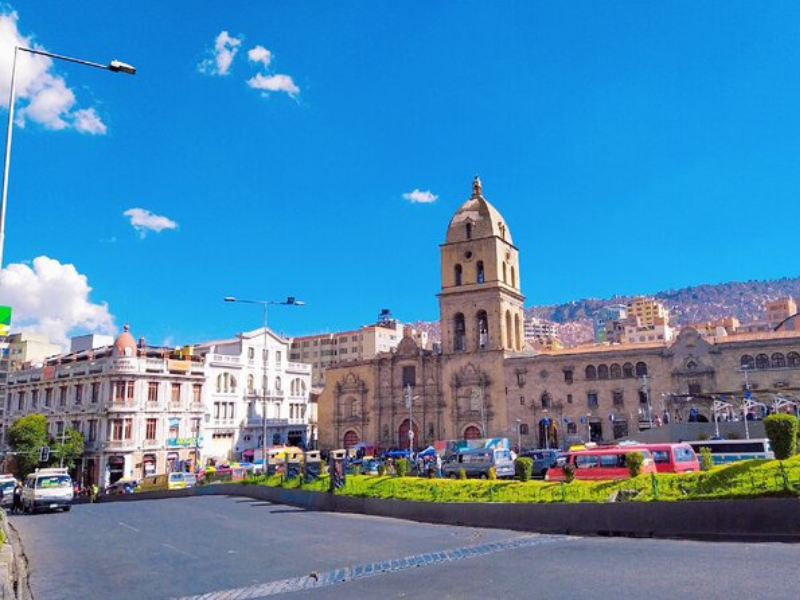
Bolivia is divided in nine Departments: Beni, Chuquisaca, Cochabamba , La Paz , Oruro , Pando, Potosí, Santa Cruz and Tarija.
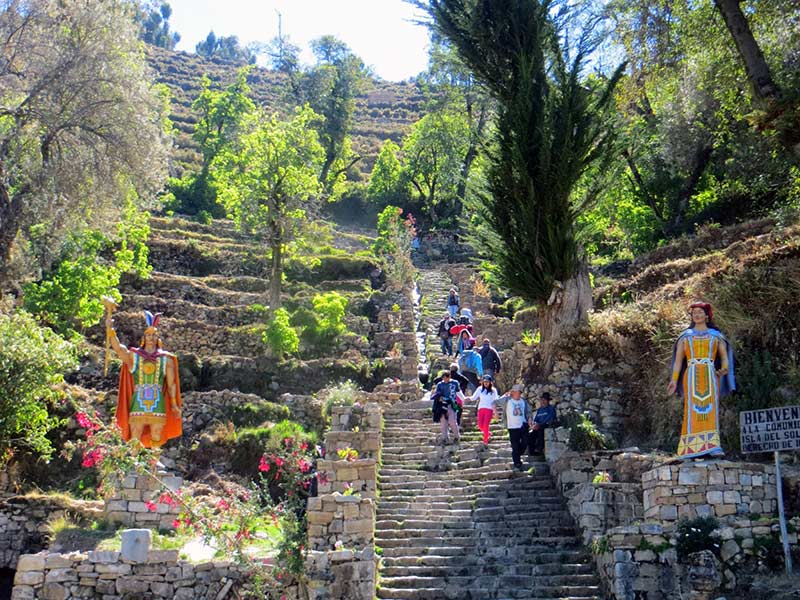
Bolivia is a country whose contrast amazes any visitor. You can enjoy
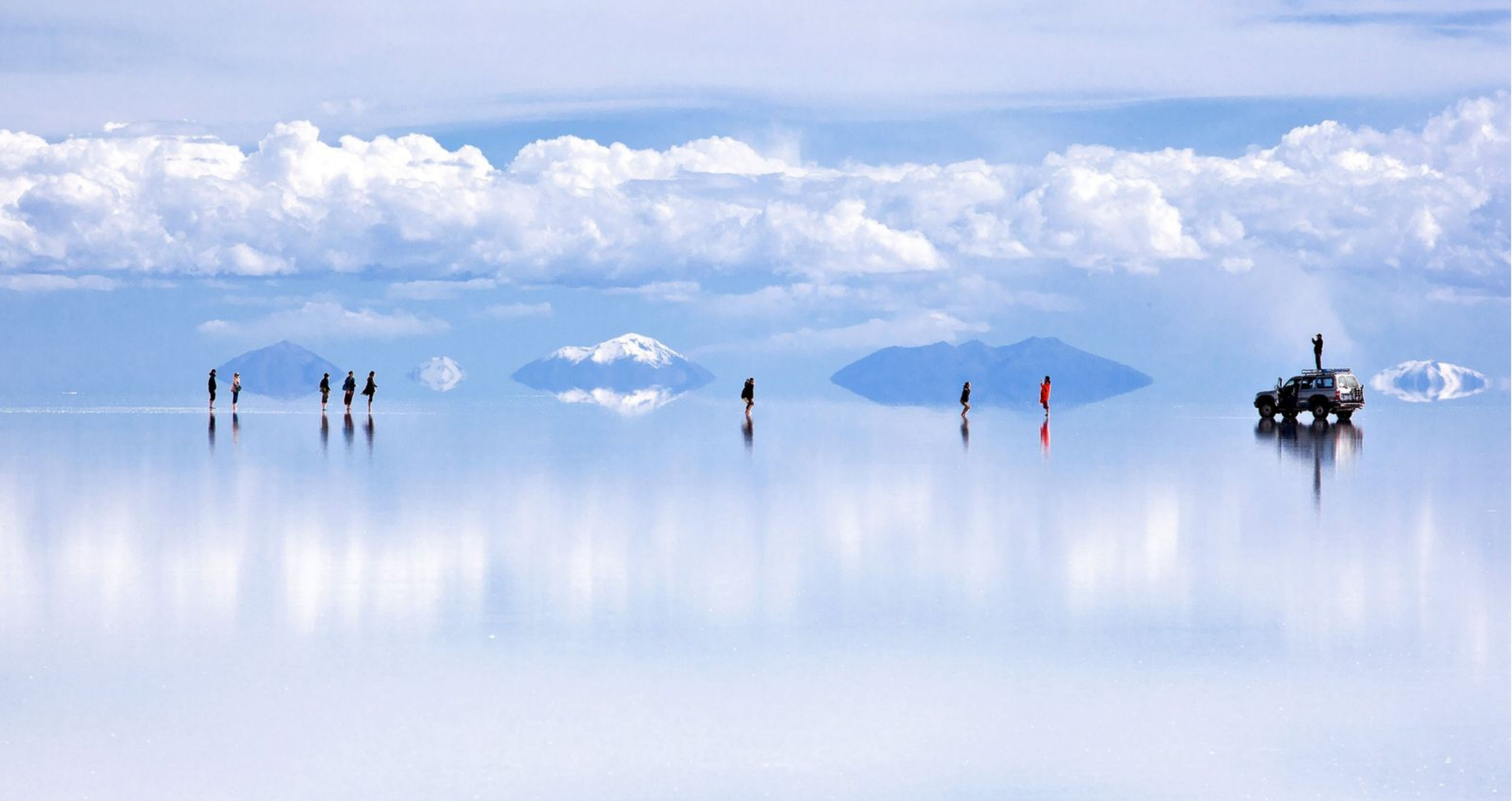
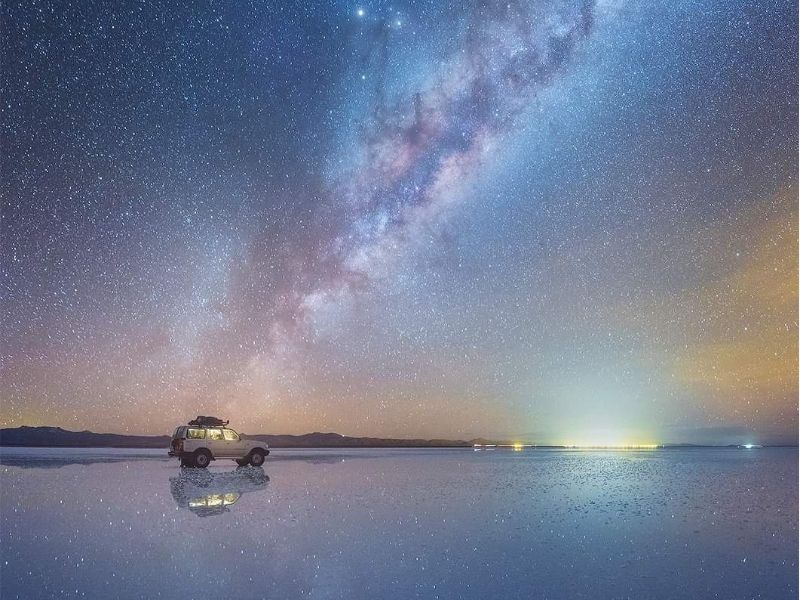
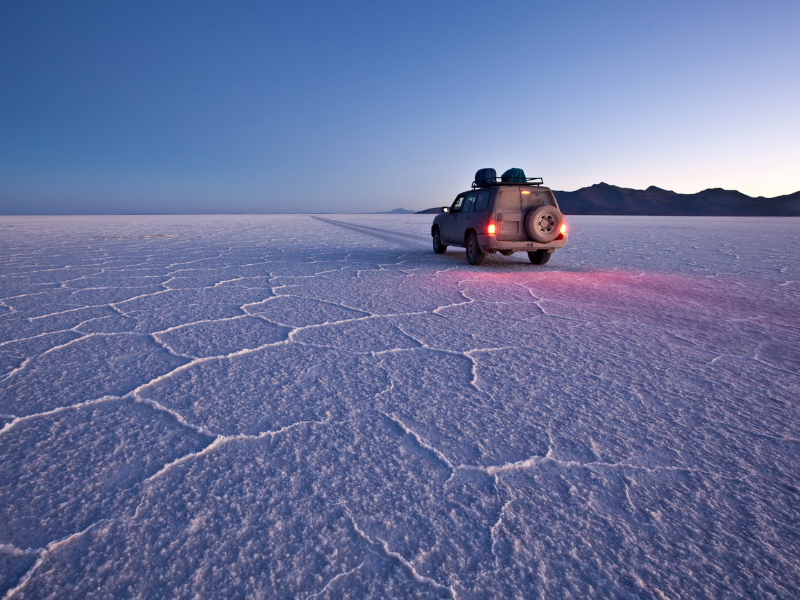
singular attractions such as the Salar de Uyuni and the Laguna Colorada,
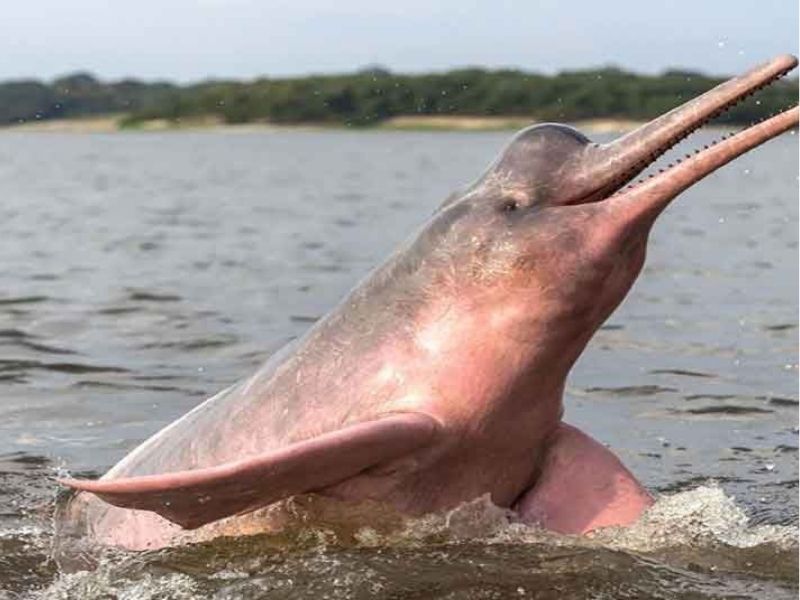
beautiful natural spots with a wide variety of biodiversity such as de
Madidi Pak, and the Pantanal; the Cordillera Real (Royal Mountain Range),
the Amazon, and the Pre-Hispanic Hills of Beni . To these fascinating
natural landscapes, you can add an important historical legacy carefully
preserved in the cities of Sucre , Potosí, and the Jesuitical Missions of
Chiquitos and the Inca ruhins of El Fuerte de Samaipata and Tiwanaku,
considered as the oldest in Latin America and cradle of the Inca
Empire.
Bolivia is the right destination for travelers who love nature, culture
and
adventure in order to enrich their spirit, who look for cultural contact,
who are deeply interested on nature and vibrate with the mystery of an
adventure; everything under the warm hospitality of its inhabitants who
will make your stay a memorable one.
The Missions
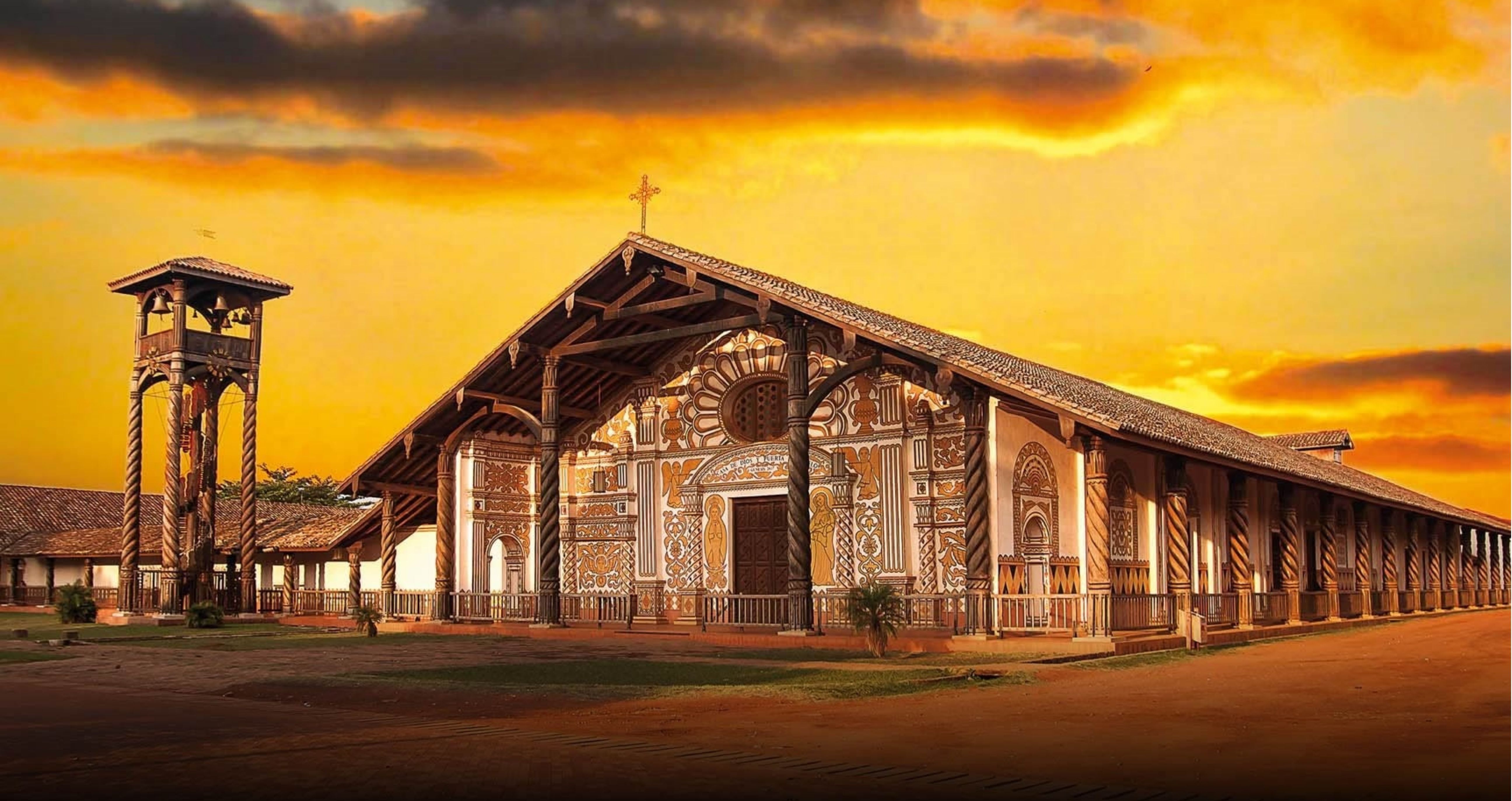
These living missions deserved the international recognition by being
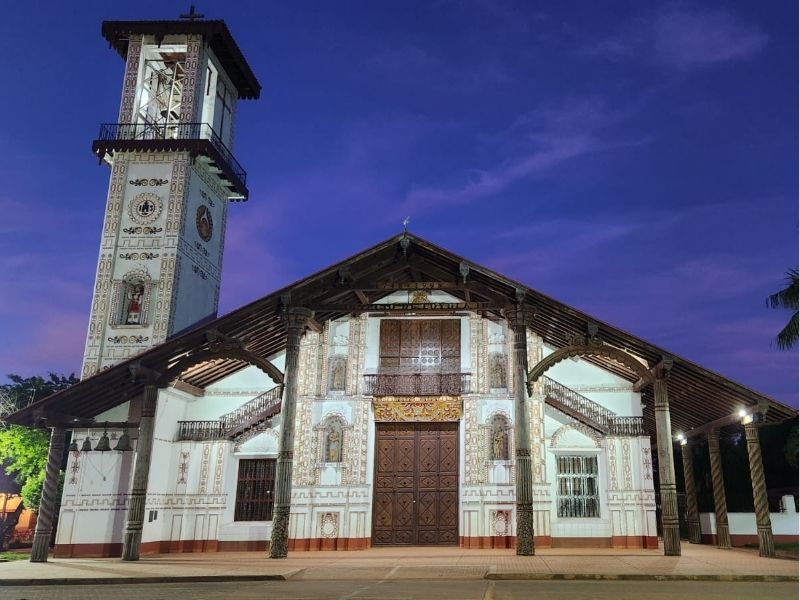
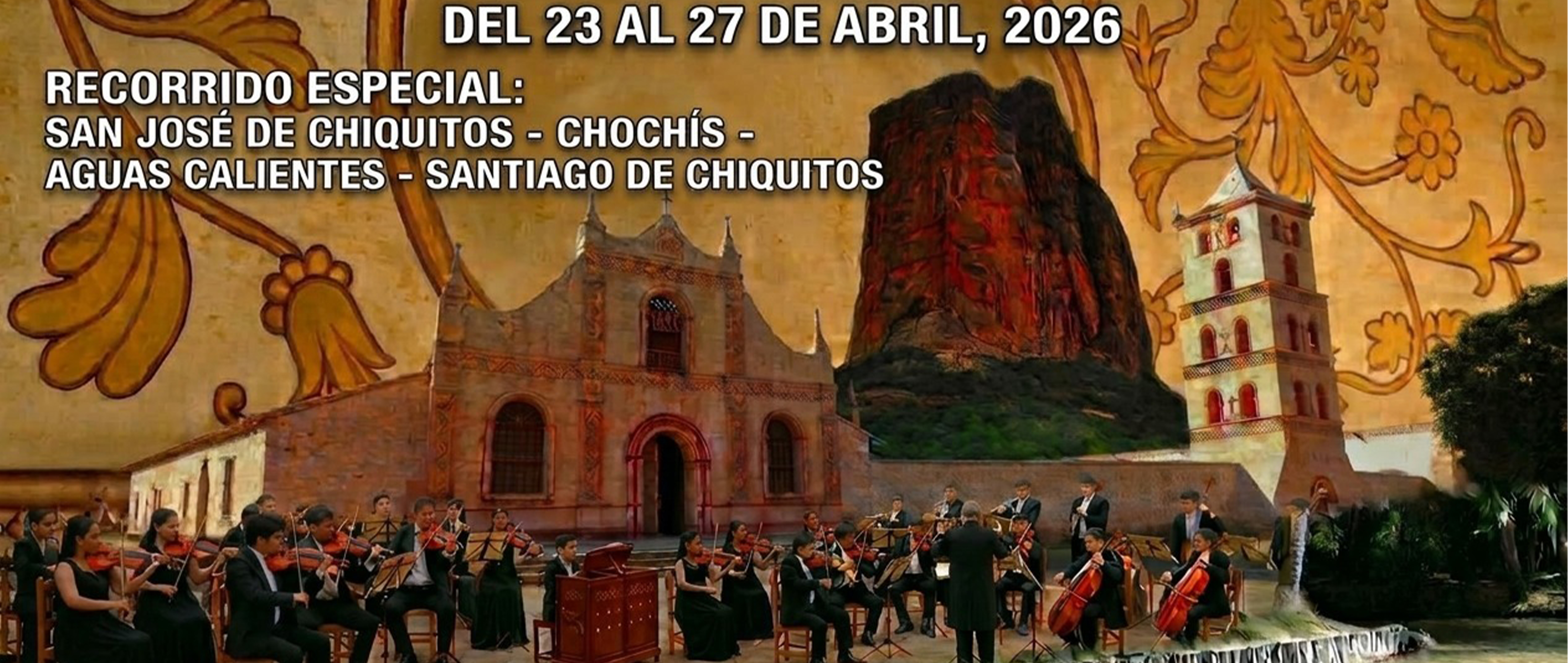
declared by the UNESCO as a "Cultural Heritage of Humanity". Six of the ten Chiquitanean town preserve the temples of that time: San Xavier, Concepción, Santa Ana , San Rafael , San Miguel and San José de Chiquitos..
Includes:Private transport, lunch, refreshment, tickets and a
bilingual Guide
Natural parks
Bolivia has 66 registered protected areas. The Department of Santa Cruz, offers several options to visit regional and national parks. Bolivia has begun to develop ecoturistic infrastructure inside certain national parks We recommend you contact to the local travel agencies and the services of the parks, well-known as the National Service of Protected Areas.
Includes:Private transportation, lunch, refreshment, tickets and a bilingual Guide.
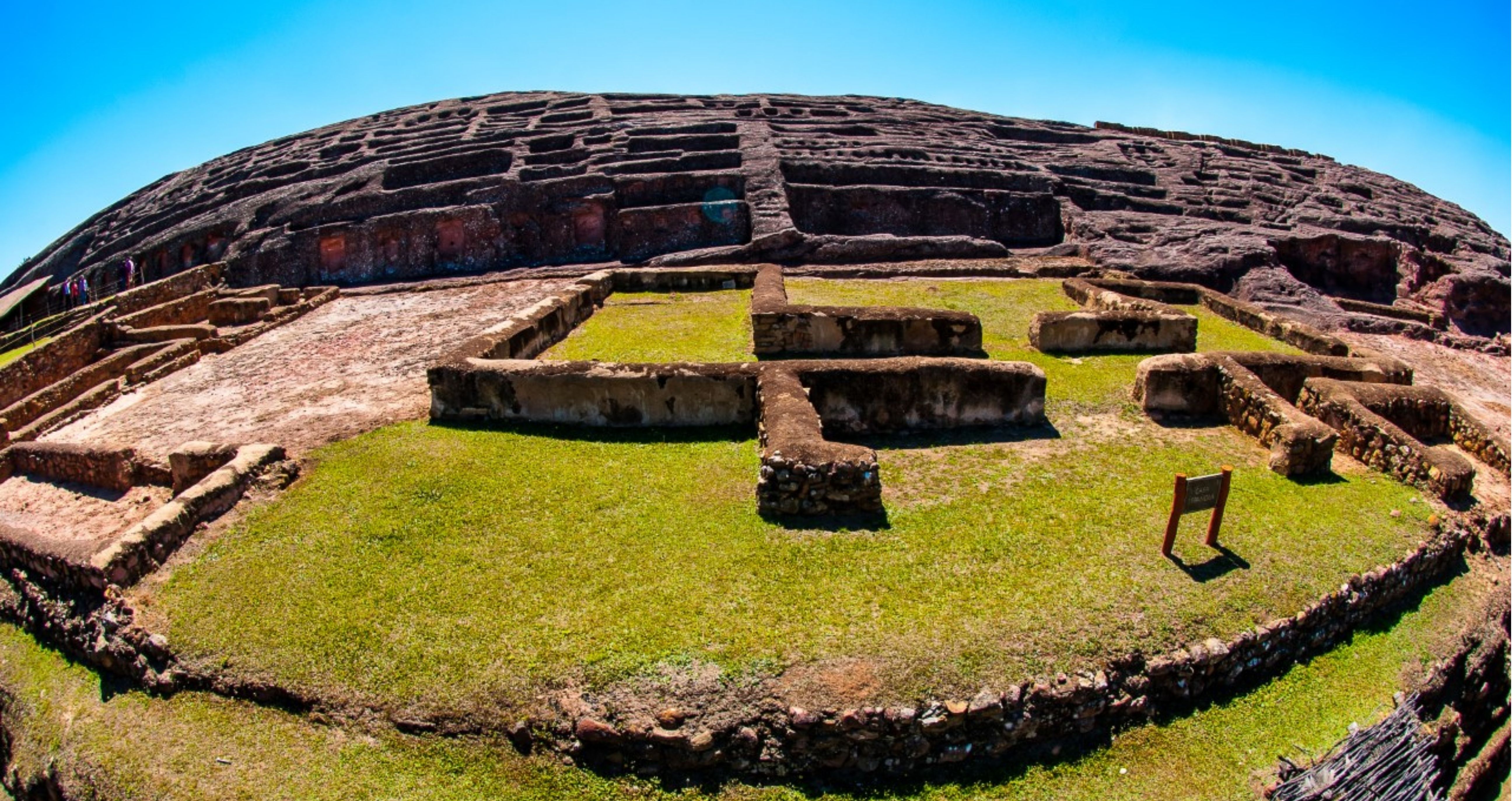
The Fuerte de Samaipata
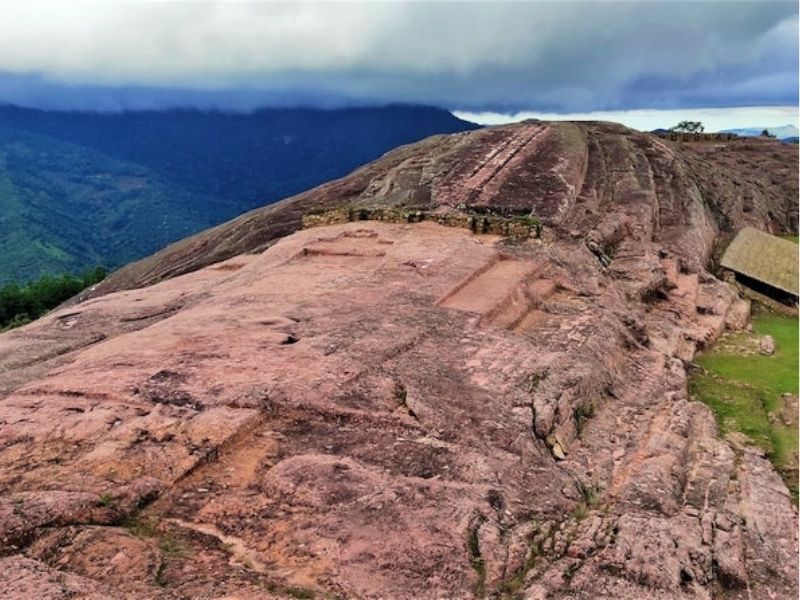
The Fuerte de Samaipata is an extraordinary place, whose origins and meaning are still a matter of research. It has the biggest carved stone of the world, declared by the UNESCO as a Humanity Heritage, located 9 km from the town of Samaipata .
Located 120 km southwest of the city of Santa Cruz de la Sierra with an altitude of 1650 m .a.s.l. In Samaipata we can visit the archaeological site of "El Fuerte" (The Fortress), called the last Inca remaining.
ROBORE AND SANTIAGO DE CHIQUITOS
MT 022
ITINERARY (3 DAYS AND 2 NIGHT)
DESCRIPTION
Robore is located east of the city of Santa Cruz , 450 km away by train and by land through a fast way uniting San José de Chiquitos with Puerto Quijarro, 112 Km away from San José de Chiquitos.
SANTIAGO OF CHIQUITOS
The town of Santiago , finally established in 1754, had at least three
different locations within the Jesuitical period. The Chiquitanean Dry
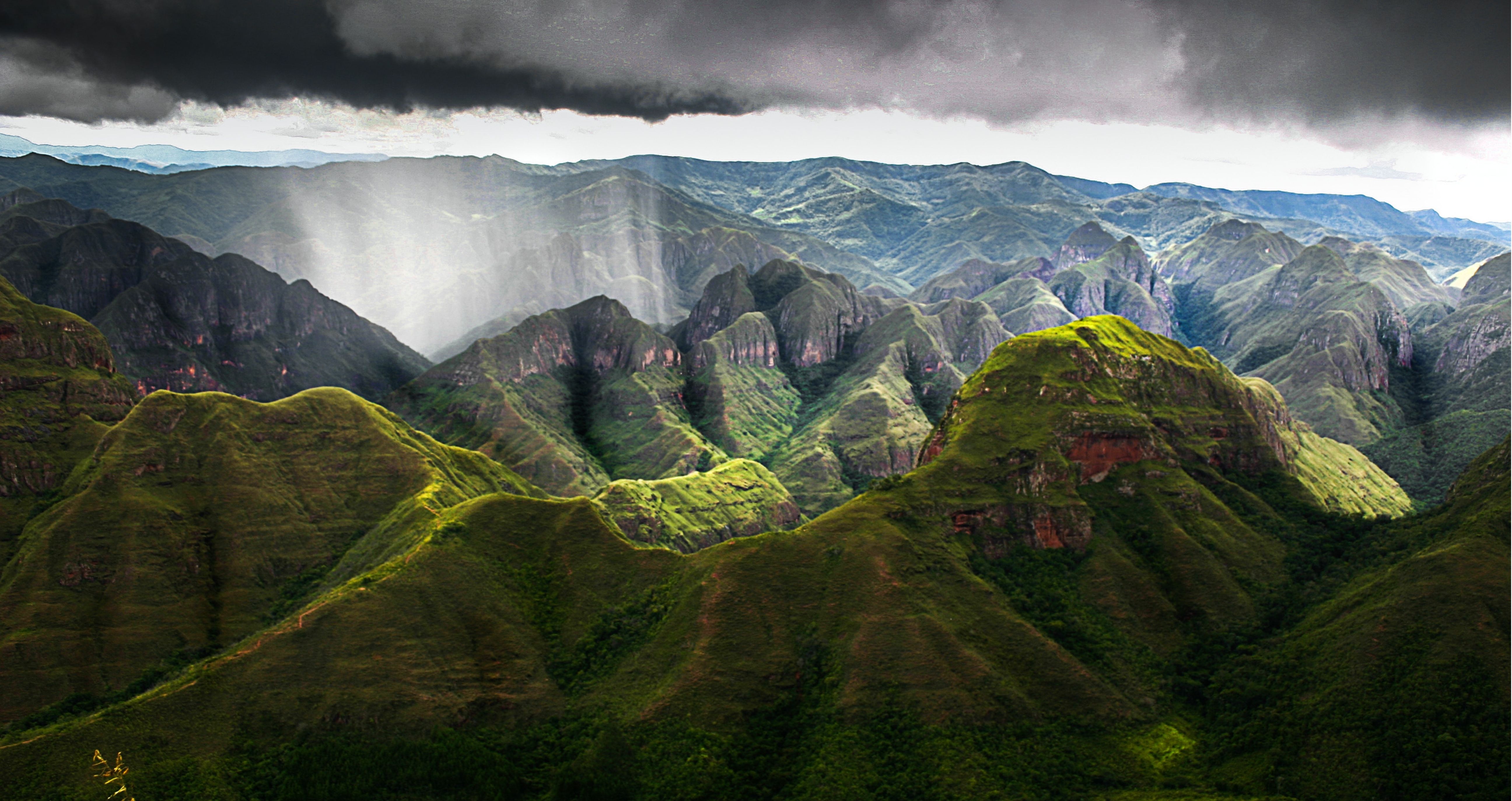
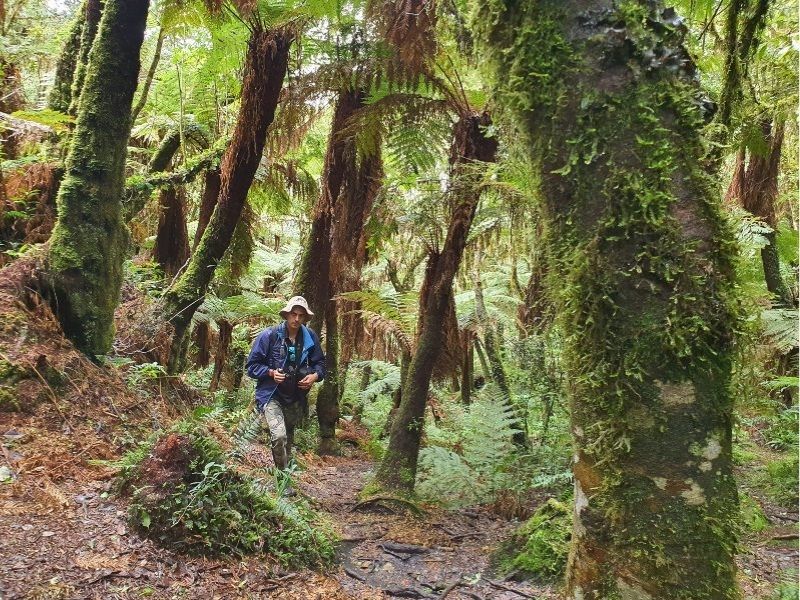
Forest and the Tucavaca Valley are located in the outskirts, which are
considered important ecosystems worldwide because of its biodiversity.
You
can find there
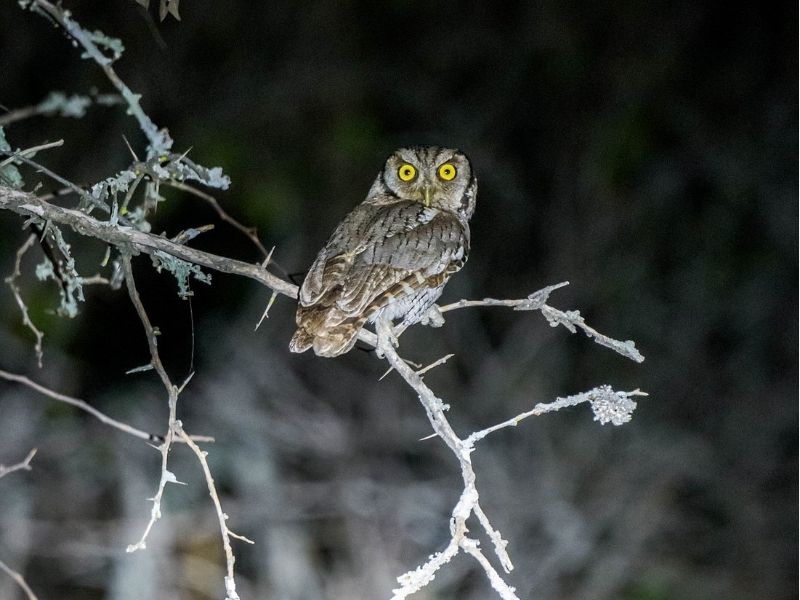
328 bird species, an estimate of 47 different kinds of amphibious and 53
different kinds of reptiles.
Fortunately this is a well preserved area.
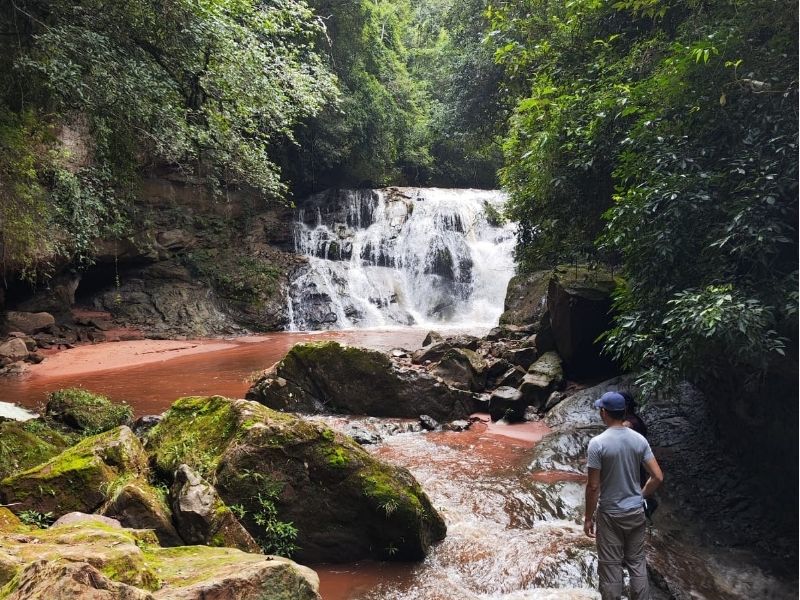
Visit to the Chorro (Spurt) de San Luis
Motacu Cave Paintings Chochis Mountain Chain and the Mariano de la Torre Sanctuary
Hot Waters
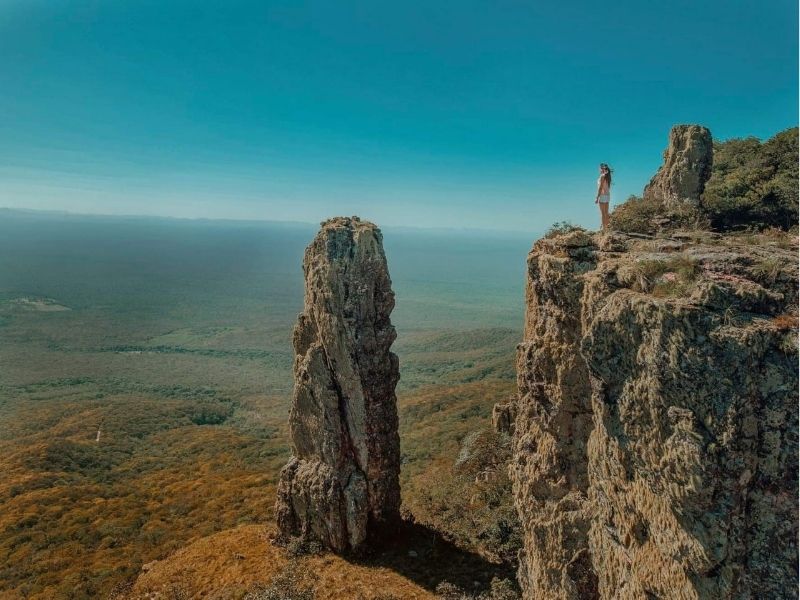
> >Santiago de Chiquitos Mission Church Mountain range of Santiago (Referred to as "Antesala del Cielo" - "Heaven's
Lobby")
> >Tucavaca Valley with Interpretative paths The Monkey Bridge ( Natural Stone Bridge ) Miserendino Cave
The Chiquitanean Dry Forest Interpretation Center
Santa Cruz de la Sierra
Situated on the eastern side of Bolivia , the surface is 370.621 km 2
covering 34% of the total country´s area, it´s altitude ranging between
300
and 1600 mt above sea level. Santa Cruz´s temperature ranges between 26° C
and 30° C, during most part of the year.
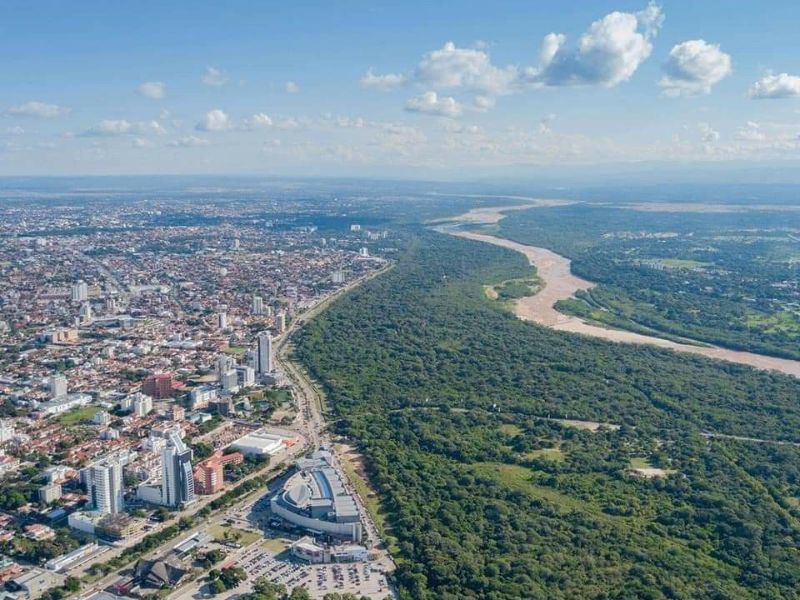
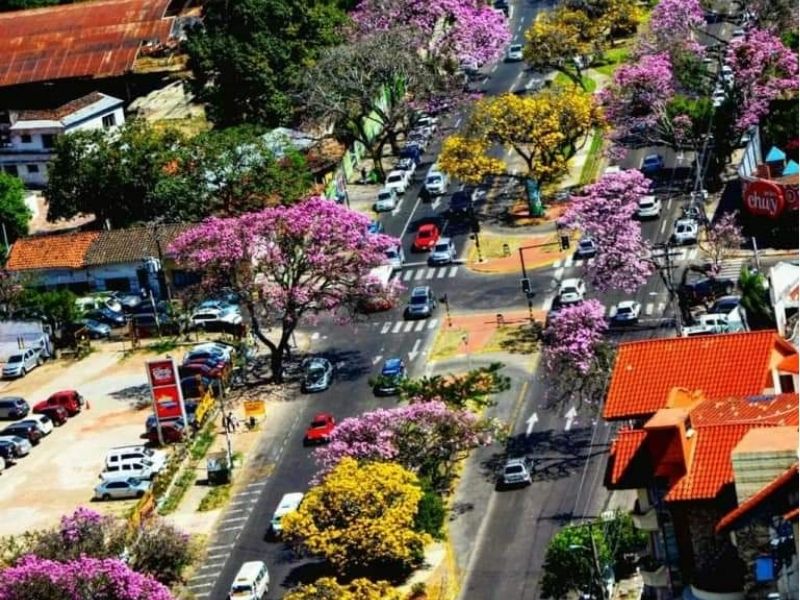
The Department of Santa Cruz is the most dynamic one in Bolivia , due to its high levels of productivity as well as for its human development indicators. Its privileged geo-political situation allows it to project itself as a strategic enclave for South American integration. Its capital city Santa Cruz de la Sierra has passed through an accelerated process of urbanization, and counts with modern buildings giving its visitors the appropriate lodging, either if they arrive in order to see touristic attractions, business trips, or to be part of international artistic events.